

Why Osteoarthritis Is Such a Pain–And How Physical Therapy Can Help
Persistent joint pain can severely hamper your lifestyle. One of the more common causes of persistent and chronic joint pain, particularly among older people, is osteoarthritis, a degenerative condition that causes joint inflammation.
People with osteoarthritis (OA) will struggle with pain and stiffness in the affected joints, making it difficult to live the type of active lifestyle that could help them manage their symptoms. If you’ve been diagnosed with OA, the physical therapists at First Choice Physical Therapy can help you better understand the condition, ensuring you get the relief you need. Call us today to learn more.

What Is Osteoarthritis? Examining the Causes and Risk Factors
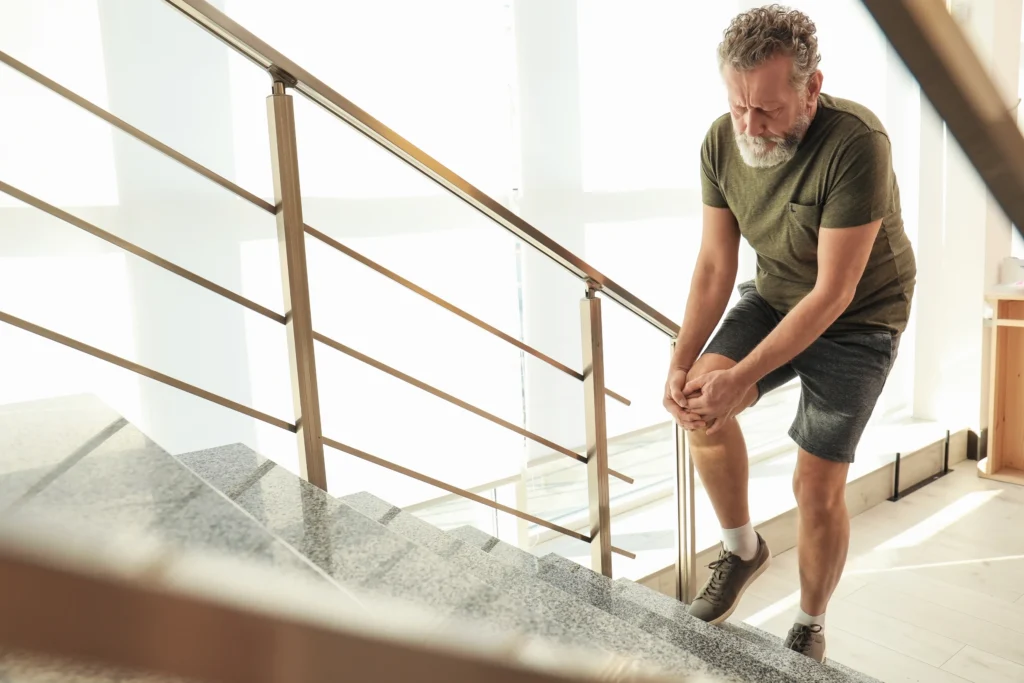
Osteoarthritis is the most common form of arthritis in the world, affecting around 3.5% of the global population–and nearly 32.5 million Americans. Its primary symptoms are joint pain and immobility; if left unaddressed, it can profoundly impact your overall quality of life.
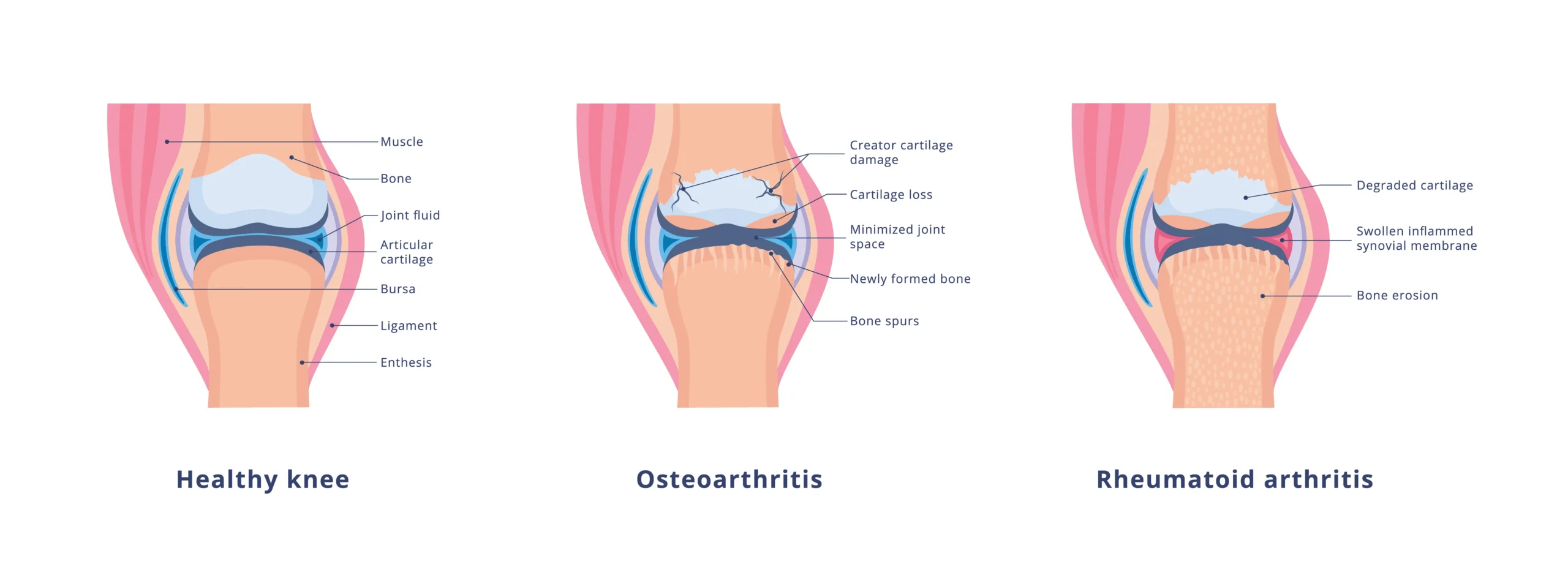
But how do you address OA, a condition with no current cure? We can start by looking at what causes the joint inflammation. The joints in your body contain two materials that help protect the bones:
- Cartilage, a flexible tissue that acts as a shock absorber and prevents the bones in a joint from rubbing against each other
- Synovial fluid, a substance that lubricates your joint whenever you move
Osteoarthritis occurs when these materials degenerate, causing your bones to rub against each other. Without protection from cartilage and synovial fluid, basic joint movements become painful, the joint tissue becomes inflamed, and your range of motion diminishes.
But what causes that degeneration? Researchers aren’t sure, but it’s tied to aging–your risk of developing osteoarthritis increases as you get older. Around 80% of people over 65 have radiographic evidence of osteoarthritis in their joints, although not all of them experience symptoms.
Certain factors beyond aging can also increase your risk of developing osteoarthritis. Most of these factors contribute to the tissue degeneration that causes OA:
- Genetics
- Past injury to a joint (particularly a weight-bearing joint)
- Jobs that require repetitive squatting, bending, or twisting
- Excess weight
Exercise of the Month
Bridging
(Glutes, Lower Back, Hamstrings)
Begin on your back. Bend your knees and keep your back flat on the ground. Gently, contract your abdominals and hold to keep your back flat as you move up into the bridge position. Remember to breathe. Gently, squeeze your butt muscles and lift your hips off the ground. The goal is to have your hips aligned with your knees and shoulders. Hold for 5 seconds. 3 Sets, 10 Reps.
How Do I Know If It’s Osteoarthritis?
There are many reasons someone might experience joint pain beyond osteoarthritis, so it is important to seek out an expert, such as the physical therapists at First Choice Physical Therapy, for a diagnosis. That said, certain types of pain and other symptoms could indicate you’ve developed OA, especially if you’re over 50:
- Pain that flares up during activity but lessens with rest.
- Pain when you press on the joint.
- Joint stiffness, particularly first thing in the morning–it’ll usually ease up after about 30 minutes.
- Cracking, crunching, or creaking noises in the joint (officially known as crepitus–those sounds are the bones rubbing together).
When you visit us for your initial appointment, our therapists will conduct a detailed physical assessment that considers your health history, OA risk factors, and symptoms. We’ll also conduct several movement screens that test your range of motion, strength, and balance, which can help develop the best treatment plan for your needs.
Movement: The Best Medicine for OA
It might sound contradictory, but exercise is crucial in treating and managing osteoarthritis. Your joints want to move, and moving them regularly keeps them healthy and lubricated.
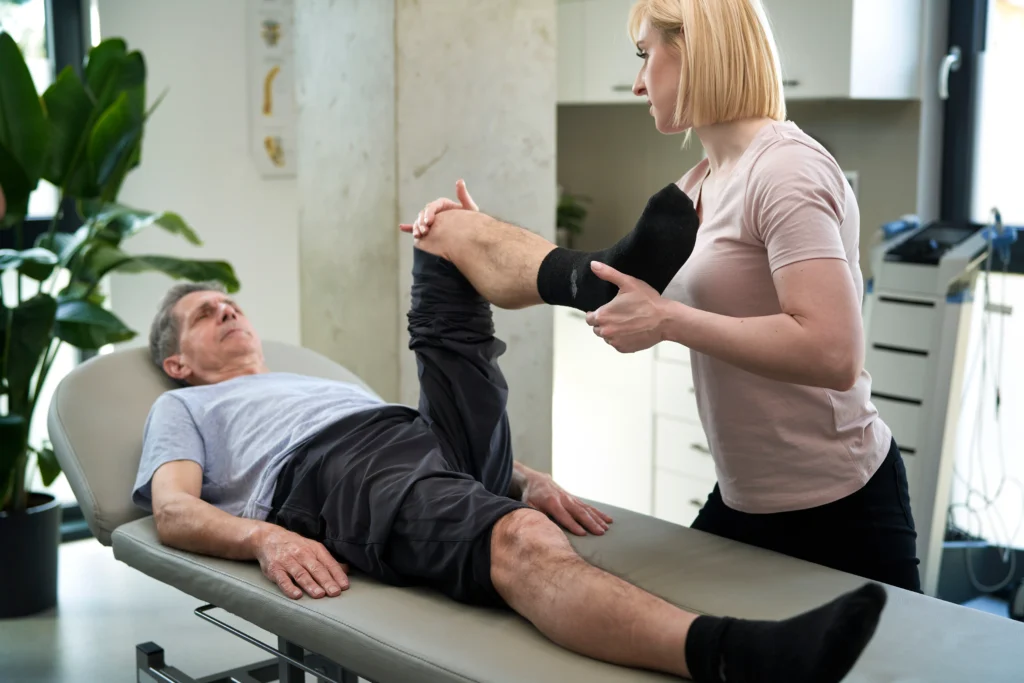
For this reason, physical therapy plays a big role in helping you manage osteoarthritis, especially if you want to avoid surgery. We’ll work closely with you to develop a tailored exercise program that suits your needs and ability levels, focusing on low-impact activities like walking, biking, or swimming.
We can also help with other areas of OA management, such as…
- Providing drug-free pain relief through manual therapy techniques.
- Working with you to improve your joint’s range of motion so you can move more freely.
- Helping you improve your balance and walking patterns. While OA can affect any joint, it’s most common in weight-bearing joints like the hips or knees, which make it difficult for you to move around.
- Educating you on OA and various self-management strategies.
Sources: https://www.choosept.com/guide/physical-therapy-guide-osteoarthritis, https://www.ncbi.nlm.nih.gov/books/NBK482326, https://www.cdc.gov/arthritis/basics/osteoarthritis.htm
Don’t Let Osteoarthritis Cramp Your Style!
Suspect you may have OA? Recently diagnosed and seeking treatment? The experts at First Choice Physical Therapy can help. Call today to schedule your appointment!


Is Exercising a Challenge? Try these Suggestions!
Everyone knows regular exercise is crucial to good health. Not only can it improve symptoms of osteoarthritis and other types of joint pain, it can lower your risk of developing heart disease and diabetes while boosting your mood.
But what happens if you struggle with mobility? How can you exercise regularly if it’s difficult for you to move at all? You might find some of these suggestions helpful:
- Find something you enjoy. This is the number one suggestion for exercising more. If you find an activity you love doing, you’ll look forward to doing it. Our therapists can help you find that sweet spot of exercises that suit your abilities and your interests.
- Modify your workouts to accommodate your needs. Did you know you can lift weights while sitting in a chair? Or take a heart-healthy walk while using a mobility aid? Our therapists can help you find the modifications that work for you.
- Incorporate exercise into your daily routine. You don’t have to go to the gym to work out. Putting away groceries? Try doing a few bicep curls with your soup cans (and eventually, you may graduate to using your milk jug!). Sweeping the living room? Put on some music, and don’t be afraid to dance as you work.
At First Choice Physical Therapy, we want to help everyone get active in the ways that work for them. Call us today for personalized guidance on what will work best for you!
Sources: https://www.nia.nih.gov/health/infographics/no-more-excuses-overcome-exercise-barriers

Kids Heading Back to School? Here’s How to Help Them Avoid Back Pain
Between laptops, tablets, and old-fashioned textbooks, heavy backpacks are a reality for anyone starting school this fall (including the teachers!). Improper backpack usage can contribute to back pain, particularly in the upper back–but a few simple tips will help keep your kids pain-free this school year.
- Find a backpack that fits. Most kids choose backpacks for their coolness factor, not their size, but it’s important your child’s backpack is the right fit for them. A properly fitting (and properly filled) backpack should rest on the hips, not the shoulders.
- Don’t go too heavy. A backpack shouldn’t exceed 10% of your child’s body weight. Bust out the bathroom scale to ensure your child isn’t overloading their pack!
- Encourage good posture. Help your child find their ideal posture by asking them to lift their chest/sternum up toward the sky, which helps their spine settle into proper alignment.
Want more back-to-school backpack tips? Call First Choice Physical Therapy to schedule a personalized assessment to help identify any areas of weakness or impairment that might be contributing to backpack-related discomfort–and strategies for resolving them!

Fresh & Healthy Salsa Recipe
- 4 ripe tomatoes
- 1 red onion
- 3 garlic cloves
- 1 jalapeno (stemmed and seeded)
- 1/3 cup fresh cilantro
- 3 tbsp fresh lime juice
- 3 tsp ground cumin
- 1 1/2 tsp salt
- 15 oz crushed tomatoes (1 can)
- 4.5 oz diced green chiles (1 can)
Place the fresh tomatoes, onion, garlic, peppers, cilantro, lime juice, cumin, and salt in a food processor. Pulse until the contents are blended to desired consistency. Pour in the crushed tomatoes and green chiles. Puree until mostly smooth. Refrigerate until ready to serve.