
Strength Training Helps You with Osteoporosis
Create Your Own Path To Stronger Bones
Do you ever find yourself worrying about your bone health? Perhaps a family member has been diagnosed with osteoporosis, or maybe you’ve noticed a slight decrease in your height or stooped-over posture. It’s natural to feel concerned, but the good news is that there are effective ways to manage and even improve bone health. One such method that is gaining increasing recognition is strength training with physical therapy.
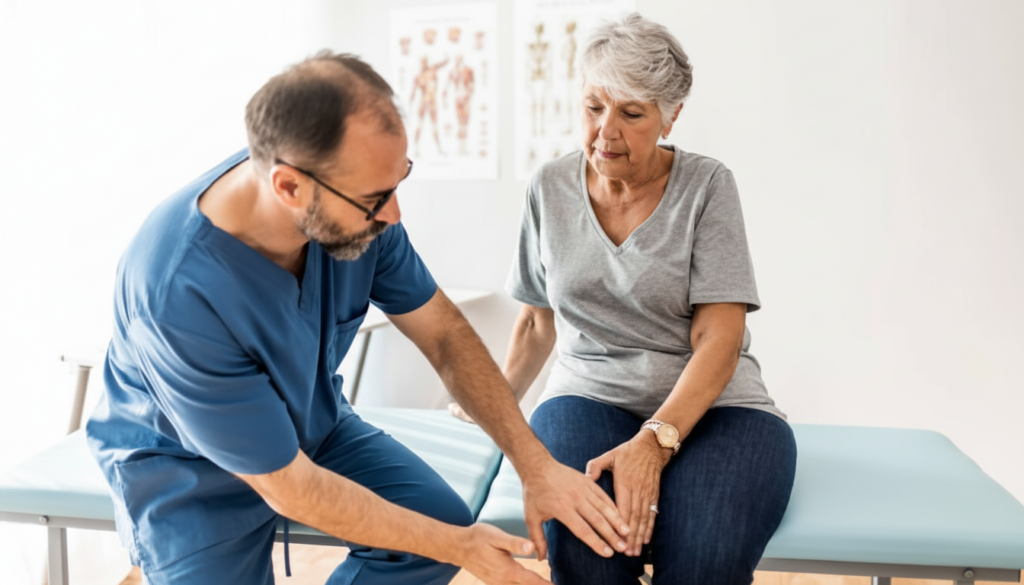


The Connection Between Osteoporosis and Strength Training
Osteoporosis is a condition characterized by decreased bone mass and density, leading to increased bone fragility and a higher risk of fractures. It affects millions of people worldwide, particularly women after menopause.
Causes of Osteoporosis
The causes of osteoporosis are complex and multifaceted and often include the following:
- Age
- Genetics
- Hormonal Changes
- Gender
Risk Factors
- Family history of osteoporosis
- Low calcium intake
- Vitamin D deficiency
- Smoking
- Excessive alcohol consumption
- Sedentary lifestyle
Symptoms
Osteoporosis can remain asymptomatic until a fracture occurs. However, there may be subtle signs, such as:
- Gradual height loss
- Stooped posture
- Increased susceptibility to fractures, even from minor falls
If you suspect you may have osteoporosis or are at risk, it’s crucial to seek medical evaluation and guidance.
Strength training with physical therapy techniques involves using weights, resistance bands, or body weight to challenge your muscles and bones. When you engage in strength training exercises, you create a mechanical load on your bones, stimulating bone cells called osteoblasts to build new bone tissue, which increases bone mass and strength. Furthermore, strength training improves muscle mass and balance, which helps reduce the risk of falls and fractures.
Personalized Strength Training Program For Osteoporosis
A 75-year-old woman came to our clinic after being diagnosed with osteoporosis. She had a noticeable decrease in her height and a family history of osteoporosis. She was anxious about the possibility of fractures and falls and was eager to find ways to improve her bone health.
Our physical therapists worked with her to develop a comprehensive strength training program. She started with low-impact exercises using resistance bands and gradually progressed to using weights and bodyweight exercises. Her program focused on strengthening her hips, spine, and core muscles, improving her posture, and increasing her overall strength and balance.
Over time, she noticed significant improvements in her strength and posture and also felt more confident and empowered. Strength training helped to improve her physical health and left a positive impact on her mental and emotional well-being.
“I had an excellent experience with First Choice Physical Therapy while visiting my daughter in Nevada after foot surgery in New Jersey. The team was incredibly professional, kind, and accommodating — they even fit me in quickly as an out-of-state patient. Their expert care and positive atmosphere helped me begin my recovery with confidence. I’m now continuing therapy back home in New Jersey, proudly representing F.C.P.T. in my T-shirt at every session! I highly recommend F.C.P.T. to anyone looking for compassionate and skilled physical therapy.”
– Google 5-Star Review
Strength Training For Osteoporosis at First Choice Physical Therapy
Incorporating strength training into a physical therapy program with our dedicated professionals is a safe and effective way to manage osteoporosis. We will conduct a thorough assessment, considering your medical history, current symptoms, and fitness level. Then we’ll design a personalized exercise program that targets specific muscle groups, focuses on proper form and technique, and gradually progresses in intensity as your strength and endurance improve.
If you or someone you know is struggling with osteoporosis, don’t wait any longer to schedule the first appointment. Our team of experienced physical therapists is here to help you enhance your well-being with stronger bones and improved mobility through a personalized treatment plan that addresses your specific needs and goals.
Remember, it’s never too late to take control of your bone health. Call us today to schedule an appointment and start building a stronger, healthier you!

Nutrition and Osteoporosis: Fueling Strong Bones
Osteoporosis, a condition marked by fragile bones prone to fractures, is a significant concern for many, particularly women after menopause. Exercise and physical therapy can help manage this condition, but proper nutrition forms the foundation for building and maintaining healthy bones.
Calcium
Calcium is the most abundant mineral in the body and the primary component of bone tissue, which makes it essential for supporting bone health and preventing osteoporosis. Dairy products, kale, broccoli, and bok choy are excellent sources.
Vitamin D
Vitamin D is crucial for calcium absorption and plays a vital role in bone health. It is primarily synthesized in the skin through exposure to sunlight but can also be obtained through dietary sources like fatty fish, egg yolks, and fortified foods.
Other Essential Nutrients
While calcium and vitamin D are vital, other nutrients contribute to bone health. Magnesium aids in bone formation and calcium absorption. Potassium helps maintain calcium balance in the body. Vitamin K is involved in bone mineralization.
Dietary Tips for Strong Bones
- Prioritize calcium-rich foods.
- Include a variety of fruits, vegetables, and whole grains in your diet.
- Limit processed foods, sugary drinks, and excessive alcohol consumption because these can negatively impact bone health.
By fueling your body with the right nutrients, you can take proactive steps toward building and maintaining strong bones. Remember, a balanced diet, combined with regular exercise and other healthy lifestyle choices, is key to managing osteoporosis and enjoying a vibrant, active life.
Exercise of the Month
Shoulder Internal Rotation Stretch
(Shoulders, Rotator Cuff)
Start by standing up straight, holding a towel behind your back with one end over your shoulder and the other by your lower back. Grab the bottom end of the towel with your hand on the side you want to stretch and gently pull up on the towel with your other hand. Hold for 30 seconds. 2 Sets, 1 Rep. (Materials needed: towel)



Garden and Yard Work: Approaches to Injury Prevention
Spring has sprung, and many are eager to get their hands dirty in the garden or yard. However, these activities can put an unexpected strain on your body if you’re not prepared. Try these tips to keep you gardening longer while minimizing your risk for injury.
- Movement Prep: Gone are the days of old-school static stretching. Instead, use a dynamic warm-up to prep your muscles and joints for gardening.
- Spinal Health: Incorporate ‘active breaks’ every 20 minutes to reset your spine. Or alternate between working up high (like trimming bushes) and down low (like planting flowers). This gives specific muscle groups a break and reduces the risk of overuse injuries.
- Neuromuscular Control: Practice exercises that engage both your brain and muscles, like balance exercises to avoid trips and falls over uneven terrain or gardening tools, making it easier to navigate through your garden.
Utilizing these cutting-edge approaches can ensure a physically fulfilling and injury-free gardening season, allowing you to fully enjoy the fruits (and flowers) of your labor.
Happy Gardening!
Regain Your Life With Occupational Therapy
Occupational therapy is a healthcare profession that focuses on helping individuals improve their ability to perform daily tasks. Our occupational therapists (OTs) at First Choice Physical Therapy work with people with physical, cognitive, or sensory challenges that hinder their independence and participation in activities. The main goal of occupational therapy is to help you or a loved one achieve greater independence and improve your overall quality of life.
Our occupational therapists help our clients and other members learn about using adaptive equipment and techniques to improve their daily living skills and participate in their communities. In addition, providing optimal patient care through education is also a significant part of treatment when caregivers or families are involved.
We use an evidence-based approach to evaluate and treat our client’s needs. We will develop a customized treatment plan that includes exercises, adaptive equipment, and assistive technology to help you perform daily activities, such as dressing, cooking, and work-related tasks.
Our results-driven treatment plans can help you thrive in recovery and achieve a better quality of life. Schedule your first appointment in Spring Creek, Carlin, Elko, NV or Elko Spine and Rehabilitation at First Choice Physical Therapy today!
Conditions That Occupational Therapy Treats
Occupational therapists (OTs) are healthcare professionals who work with individuals of all ages to help them perform everyday activities, despite physical, developmental, or emotional challenges. They commonly treat conditions such as:
Neurological disorders
Our treatment plans can help those with neurological disorders such as Parkinson’s disease, multiple sclerosis, and stroke restore their functions, including balance, coordination, and memory.
Arthritis
Chronic joint inflammation can lead to mobility issues and pain. OTs teach pain management techniques, joint protection strategies, and adaptive methods for performing daily tasks.
Traumatic Injuries
Injuries like fractures or burns can limit a person’s ability to perform daily tasks. OTs help individuals regain their skills and suggest modifications or adaptive equipment when necessary.
Mental Health Disorders
Conditions like depression, anxiety, or post-traumatic stress disorder can affect daily life and well-being. OTs use therapeutic activities to help individuals manage their symptoms, enhance coping skills, and improve their participation in daily activities.
Developmental Delays
Children who don’t meet the developmental milestones for their age group, like walking or talking, can greatly benefit from occupational therapy. OTs help these children develop these skills to reach their full potential.
Autism Spectrum Disorder (ASD)
Children with ASD often struggle with social interaction, communication, and repetitive behaviors. OTs help these children develop social, sensory, and fine motor skills.
The primary goal of an occupational therapist is to enable people to participate in everyday life activities. They achieve this by working with people and communities to enhance their ability to engage in the occupations they want to, need to, or are expected to do, or by modifying the occupation or the environment to support their occupational engagement better.

Occupational Therapy Treatments
Our occupational therapists will perform a thorough exam to identify the issues impacting you or a loved one. This assessment will address your medical history, current symptoms, and other health factors that could be contributing to your condition.
OT treatments that we use may include:
- Activity modifications: Our occupational therapists help patients learn new skills or improve existing ones with activity modifications. We will consider each patient’s abilities and determine which areas could be targeted for improvement.
- Strength, flexibility, and coordination exercises: OT may include stretching and exercise to increase your strength, flexibility, and mobility. These techniques typically involve using resistance bands for strength or restoring balance and coordination.
- Adaptive equipment: Adaptive equipment is often necessary for treatment, which includes wheelchairs, walkers, or other tools to help clients perform tasks more independently. Some common types of adaptive equipment used by our OTs include:
- Dressing aids: Button hooks, long-handled shoe horns, dressing sticks, sock aids, and elastic shoelaces to promote independent dressing.
- Eating utensils: Weighted utensils, plate guards, non-slip placemats, and adapted cups to assist with feeding and meal preparation.
- Writing aids: Pen grips, weighted pens, and writing splints to improve handwriting and motor control.
- Bathing and toileting aids: Shower chairs, grab bars, raised toilet seats, and long-handled sponges to enhance safety and independence in the bathroom.
- Reachers and grabbers: Extending tools to help individuals lift items without bending or stretching.
- Custom splints and orthotics: These devices are used to provide extra support and allow for proper alignment. Custom splints and orthotics are intended to restore functions in the affected area. Examples include ankle braces, finger splints, and spinal braces.
- Ergonomics: Ergonomics helps patients modify their workplace while managing their condition and accompanying symptoms. An OT will assess the different products and systems that need to be rearranged to fit the patient using them. The purpose is to reduce the risk of injury by improving the workspace environment.
Occupational therapy can teach you how to participate in everyday tasks and the activities you enjoy. Our rehabilitation programs at First Choice Physical Therapy will help you achieve goals to develop, improve, and maintain skills required for daily living and working.
Want to learn more about the benefits of occupational therapy? Call our clinic today to discover how our treatments can help you in recovery!
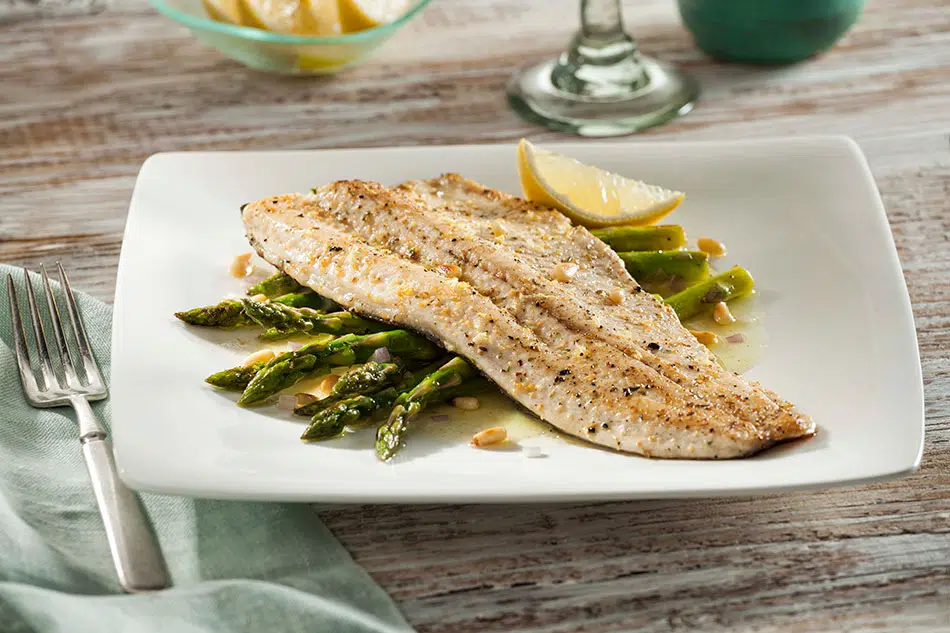
Rainbow Trout with Grilled Asparagus, Toasted Pine Nuts and Lemon-Garlic Vinaigrette
Looking for a healthy, vibrant dinner that doesn’t compromise on flavor? This Rainbow Trout with Grilled Asparagus is the perfect solution. The pairing of crispy, savory fish with smoky spring vegetables is a classic, but the real star is the tangy lemon, garlic, and Dijon vinaigrette drizzled over the top. Paired with toasted pine nuts for added texture, it’s a restaurant-quality meal you can easily whip up on a busy weeknight.
Ingredients:
- ½ cup pine nuts, toasted
- 4 Rainbow Trout fillets
- 2-3 tablespoons olive oil
- Kosher salt
- Freshly ground black pepper
- 24 spears asparagus, tough ends removed
Dressing:
- ¼ cup extra virgin olive oil
- 1 teaspoon grated lemon zest
- 2 tablespoons fresh lemon juice
- 1 clove garlic, minced
- 1 teaspoon shallot, chopped fine
- ½ teaspoon Dijon mustard
- ½ teaspoon sugar
Vigorously whisk all ingredients together, taste and adjust seasonings and set aside.
Instructions:
Heat a dry skillet over medium high heat. Add the pine nuts, turning often until nicely toasted. Remove from pan and reserve.
Heat a large rectangle skillet to hold all four trout filets over medium high heat. Lightly brush each fillet using half of the oil, and season with salt and pepper. Place filets on skillet, skin side down and cook until trout turns opaque half way up. Turn-over and sear until a golden color is achieved and trout is cooked through.
While trout is cooking, preheat a grill pan on medium high heat. Brush asparagus with olive oil and arrange the asparagus in a single layer on the grill grate and cook for 3 minutes on one side and turn over and cook until asparagus is crisp-tender.
To Serve:
Arrange 6 spears of asparagus on each of 4 plates. Place one fillet in the center and on top of the asparagus. Scatter the pine nuts over each serving. Shake the dressing well and drizzle over the fillet and asparagus, dividing evenly.