


Back Pain vs. Sciatica: Exploring the Distinction
If you’re dealing with pain in your back and lower extremities, you may have been told you’re suffering from sciatica. But are you really?
People often conflate lower back pain and sciatica, and if you’re in intense pain, you probably don’t care much about what it’s called–you just want relief! But in reality, understanding the type of pain and why you’re experiencing it is crucial in finding a lasting, long-term solution.
Today, we want to share two First Choice Physical Therapy patient stories with you. One patient (we’ll call him Frank) suffered from sciatica. Another patient (we’ll call her Laura) had back pain. By looking at these two stories, we hope you can better understand why distinguishing between back pain and sciatica is so important.


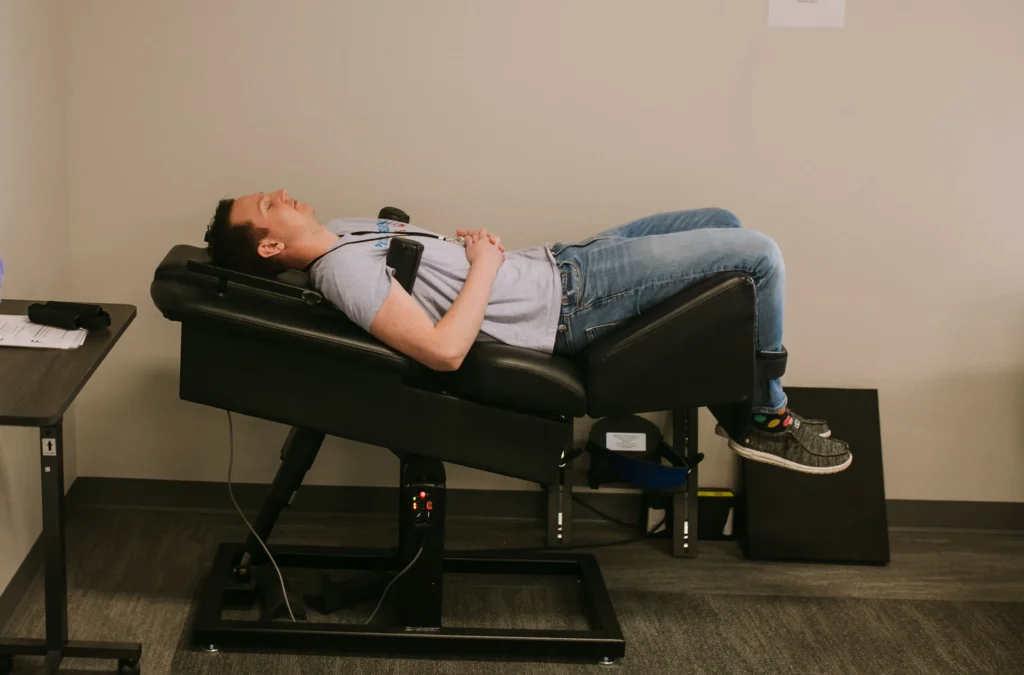
What Is The Back On Trac?
Back On Trac is a unique system that provides a wide range of treatment options to aid in the relief of chronic back pain. The Back On Trac is patient-friendly with no cumbersome restraints or belts. This specialized device gently stretches the spine, joints, and muscles in the back, neck, hips, and thighs. Back On Trac offers safe and effective stretching of the thoracic and lumbar spine in conjunction with therapeutic exercise. Our innovative care strategies at First Choice Physical Therapy will help you find quick relief.
Exercise of the Month
Double Knees to Chest
Lie on your back with your knees bent. Bring both knees toward your chest, holding them gently with your hands. Hold the stretch for a few seconds, then release to improve lower back flexibility.
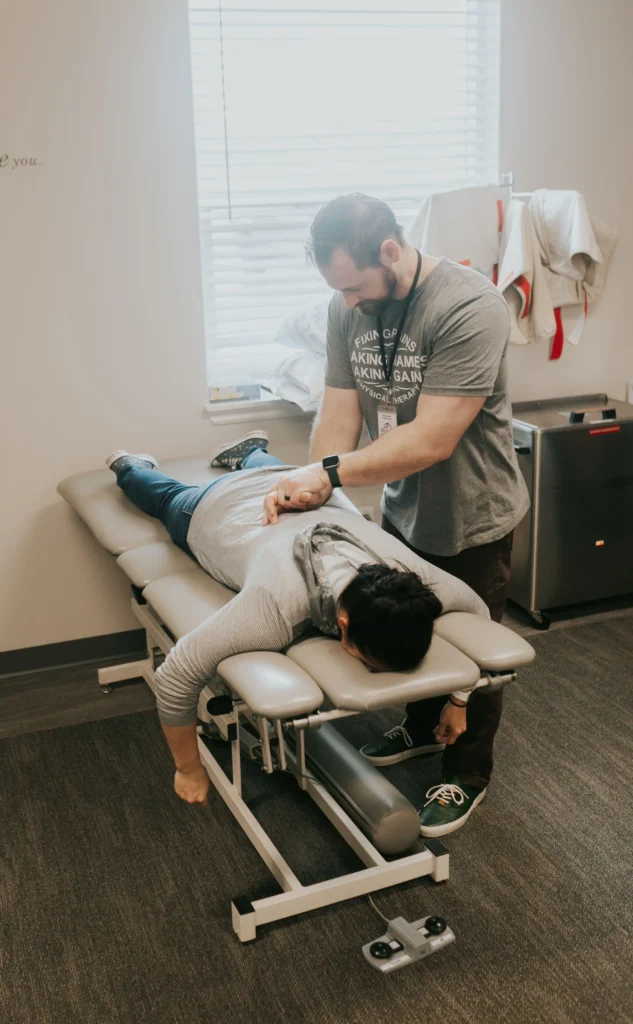
Frank’s Story: A True Case of Sciatica
Frank visited us because his pain was unbearable. He was experiencing it throughout the lower half of his body: in his lower back, through his buttocks, and all the way down to his foot. But it wasn’t just pain. Frank also experienced numbness and tingling throughout his leg, which only alarmed him further.
After learning Frank’s symptoms, we suspected sciatica–true sciatica. Why? A couple of reasons:
- The numbness and tingling indicated a nerve issue
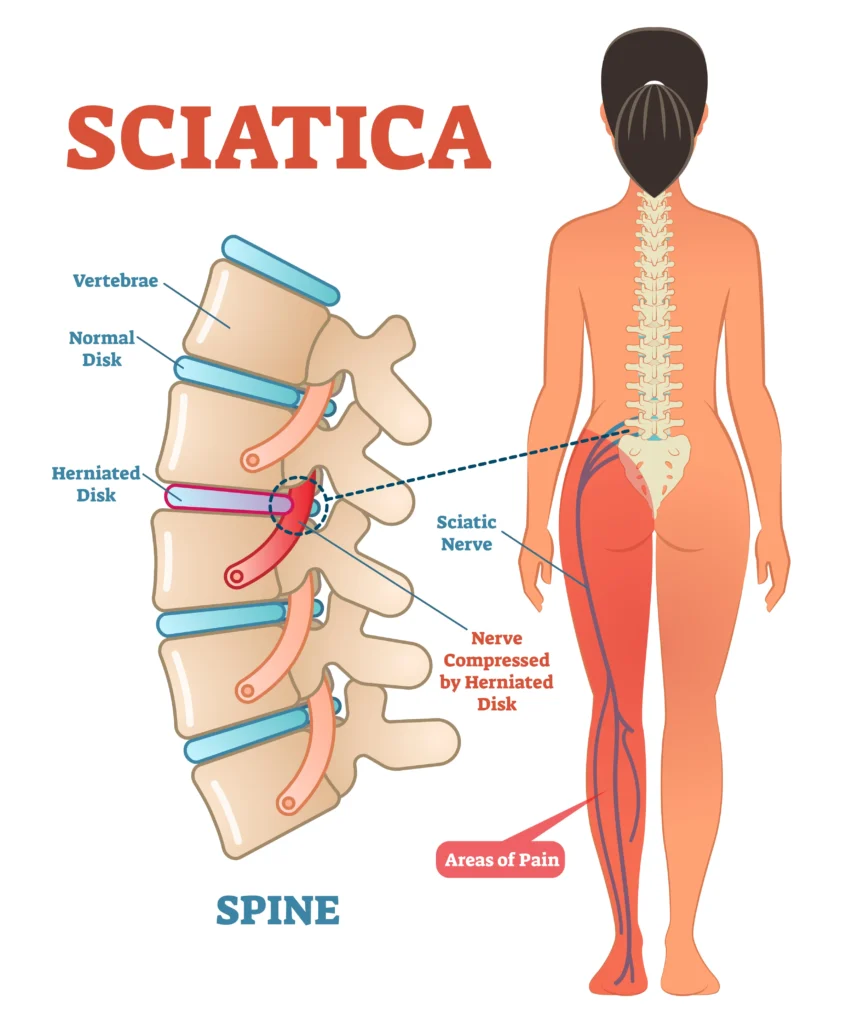
- The symptoms follow along the path of the sciatic nerve, from which the condition takes its name
The next step was determining why. Sciatica isn’t a condition in and of itself but rather a sign that something is impacting the sciatic nerve. After a comprehensive evaluation, including several movement screens, we determined Frank’s sciatica stemmed from a herniated disc in his lower back.
Herniated discs occur when one of the intervertebral discs in the spine bulges or, in rare cases, ruptures. If it irritates the sciatic nerve (the root of which is located in the lower back), it will cause sciatica. In fact, most people with sciatica develop it due to a herniated disc.
Now that we knew the source of Frank’s pain, we were able to create a custom treatment program to strengthen his back and core, helping to relieve pressure on his sciatic nerve as his herniated disc healed.
Laura’s Story: No Sciatica Detected
Laura visited us after her doctor told her she had developed sciatica. She was dealing with intense lower back pain that severely restricted the mobility in her back, making it difficult for her to walk. Sometimes, the pain spread down into her buttocks, too, although it never made it to her legs.
For this reason, we knew it was unlikely Laura had sciatica. Because sciatica affects the sciatic nerve, it always causes radiating pain throughout the lower extremities. She also wasn’t experiencing any signs of a nerve disorder.
However, there was no doubt that Laura was in pain and needed relief! We conducted an in-depth assessment to find out what might be going on. When we took Laura’s health history, we learned that the pain started after she rearranged some heavy furniture in her house. Some additional movement screens confirmed what we suspected: Laura had strained her back muscles.
A strain occurs when the tissue fibers in your muscles or tendons tear. Sometimes, those tears are microscopic but painful nonetheless. Laura’s injury was not only painful but also impacted her movement and posture.
Fortunately, a mild to moderate muscle strain can usually resolve with physical therapy. We developed a customized treatment plan to help her manage pain and improve her range of motion. As she improved, we began incorporating strengthening exercises.
Sources: https://www.ncbi.nlm.nih.gov/books/NBK507908/, https://www.ncbi.nlm.nih.gov/books/NBK542314/
Personalized Treatment Plans, No Matter the Cause
Although Laura and Frank had two different injuries with different symptoms, their treatment plans looked fairly similar. That’s because physical activity is one of the best ways to resolve sciatica and lower back pain.
We put so much emphasis on identifying the source of your pain so we can develop the right treatment plan for your needs. We offer several techniques to help manage pain and rehabilitate a musculoskeletal injury, such as manual therapy, tailored exercises, and functional training.
At First Choice Physical Therapy, we want to help you live a healthy, happy life–and that starts with resolving any pain and discomfort that might be holding you back. If you’re dealing with persistent pain in your back, your legs, or anywhere else, call us to schedule an assessment today. Our physical therapists are on the case!

Smart Sun Safety and Hydration Tips
June’s warm weather is perfect for outdoor activities, offering lots of opportunities to boost your physical health. However, navigating the challenges of sun exposure and hydration is crucial. Here’s how you can enjoy the outdoors while taking care of your health:
- Smart Sun Practices: Choose early morning or late afternoon for outdoor activities to avoid peak sun hours. Apply sunscreen, wear a wide-brimmed hat, and use sunglasses to protect against UV rays.
- Stay Hydrated: With higher temperatures, dehydration is a risk. Drink water consistently throughout the day, and always carry a water bottle during outdoor activities.
- Dress Appropriately: Wear lightweight, breathable clothing to keep cool and comfortable.
At First Choice Physical Therapy, we encourage you to enjoy yourself this June, but always prioritize your health and safety. Use these tips to ensure a fun and healthy start to your summer!
Understanding the “Comprehensive Assessment”
If you’ve been reading our newsletter for a while, you’ve probably seen us mention that we perform “comprehensive assessments” as the first step to treatment. These assessments are a crucial part of our process, as they allow us to better understand your symptoms, identify an underlying cause, and simply learn more about you.
But what exactly happens during these first-session evaluations? What can you expect? Today, we want to provide an in-depth overview so you can feel confident when you visit us for the first time!

The Basics
- Initial evaluations usually take between 30-60 minutes.
- Wear comfortable, loose-fitting clothes like those you’d wear to work out.
- Be sure to arrive 15 minutes early so we can take care of any necessary paperwork.
Part 1: Health History and Symptom Evaluation
We’ll start by taking a complete health history. This includes any diagnoses you have and a discussion about what brought you into the clinic in the first place. The more information you can share about your symptoms and/or condition, the better.
For example, if you’re experiencing pain, make sure to tell us…
- Where the pain is located and whether or not it moves around
- The exact sensations of the pain (aching, burning, etc.)
- Whether it’s accompanied by additional symptoms, like mobility restriction or swelling
If you suffered an injury, we’ll also ask for detailed information about what exactly you were doing and what the injury felt like.
Part 2: Time to Get Moving
Not only will we ask you to discuss your symptoms, but we’ll also ask you to perform simple screens so we can measure any impairments that might be affecting your condition. What exactly we look for will vary based on your health history, but we often evaluate the following:
- Range of motion
- Strength
- Balance
- Posture
- Walking pattern
- Specific functional movements like bending, squatting, kneeling, and reaching.
Don’t feel intimidated by these screens. We aren’t grading you on your abilities but instead trying to better understand your injury or condition so we can develop the best treatment plan for your needs.
Part 3: A Personalized Treatment Plan
In fact, that treatment plan is how we finish up your initial session. We’ll develop a customized program based on all the information we gathered throughout the appointment. That way, you’ll be ready to get started at your next session!
If you’re dealing with pain or discomfort, don’t put off visiting First Choice Physical Therapy. Call us for an appointment today.