
How Physical Therapy Can Help Resolve Your Knee Pain
Imagine struggling to play your favorite sport, spend time with your kids, or simply walk your dog because of nagging knee pain. It’s incredibly frustrating, isn’t it?
Knee discomfort is a relatively common ailment ranging from a dull ache to a sharp, debilitating pain. However, in some cases, it can dramatically affect mobility and quality of life.
Fortunately, the team at First Choice Physical Therapy offers several options for addressing, managing, and resolving knee pain. That way, you can find the relief you need to get back to the activities you love.

Targeting Your Knee Pain Right At The Source
We don’t want to just mask your knee pain symptoms. Instead, we want to address the underlying cause of your discomfort for long-term relief and improved function.
That’s why our physical therapists will always begin with a comprehensive assessment. We’ll evaluate your mobility, strength, walking patterns, and more. Our goal is to identify the specific factors contributing to your knee pain so we can develop the right treatment plan for your needs.
Common Knee Injuries or Conditions We See at Our Clinic
Osteoarthritis
- This degenerative joint disease causes the breakdown of cartilage in the knee, leading to pain, stiffness, and swelling. Risk factors include age, obesity, previous knee injuries, and family history.
Patellofemoral Pain Syndrome
- This refers to pain around the kneecap, often caused by overuse, muscle imbalances, or poor tracking of the kneecap itself. This condition is more common in young athletes, women, and people with flat feet or weak thigh muscles.
IT Band Syndrome
- The IT band is a thick band of tissue that runs along the outside of the thigh. If irritated or inflamed, it can cause pain on the outer side of the knee and is common in runners and cyclists.
Meniscus Tears
- The meniscus is a ring of cartilage that acts as a shock absorber in the knee. A tear in the meniscus can cause pain and limited movement. Sudden twisting movements, sports injuries, and advanced age are common risk factors.
Sprains
- Sprains occur when the ligaments that stabilize the knee joint are stretched or torn. They’re common sports injuries and can result from quick pivoting movements or falls.
When Knee Pain Is More Than Just The Knee
One crucial thing about knee pain is that it doesn’t necessarily stem from an issue with the knee itself. Sometimes, knee pain doesn’t stem from an injury or osteoarthritis but from dysfunction in your lower body mechanics.
Your knee depends on the function of the hip, ankle, and foot to operate smoothly. When these areas fall out of balance, stress is transferred to the knee. For example:
- Weak hip muscles can allow the thigh to rotate inward, increasing strain on your knee’s soft tissues
- A stiff ankle can limit forward movement, shifting the load to the knee during activities like walking, squatting, or climbing stairs
- Flat feet can force the knee into unnatural positions, leading to irritation over time
- Muscular imbalances can pull joints out of alignment, forcing the knee to absorb excess stress
How First Choice Physical Therapy Can Help Resolve Your Knee Pain
Once we’ve determined the source of your knee pain, we’ll work with you to develop a comprehensive treatment program to address it directly. While every program is personalized to your needs, here’s a general overview of what you can expect:
Pain Management
We use various techniques to reduce acute pain, including hands-on manual therapy techniques, advanced modalities such as ultrasound therapy, and therapeutic exercises.
Improved Mobility
We’ll help you restore your knee’s range of motion through targeted stretches and exercises to make everyday movements easier.
Enhanced Strength
Strengthening the muscles around your knee provides better support and stability to the joint, reducing strain and preventing future injuries.
A Safe Return to Activity
We know you’re eager to get back to your favorite activities. Whether you want to get back in the game or the garden, we’ll design a personalized, progressive plan to help you do so safely.
Don’t Let Knee Pain Hold You Back!
No matter the reason for your knee pain, our team of movement specialists will help you find an approach that works for you. Contact First Choice Physical Therapy today to schedule your initial evaluation and take the first step to effective knee pain management.
Sources: https://www.ncbi.nlm.nih.gov/books/NBK542185, https://pubmed.ncbi.nlm.nih.gov/37874571/
“First Choice Physical Therapy is the best place that I have found to help my back problem. I’m seeing remarkable improvement in mobility in less than 2 months that I’ve been going there. And the best part is that my pain is gone! Sam and his crew are so kind and knowledgeable, they really are the best physical therapists that you can find. Give this place a try if you have given up on physical therapy like I had. I’m so glad I tried one more time with First Choice. You’ll be happy that you did, too!”
– Google 5-Star Review

What Makes A Good Warm-Up and Cool-Down Routine?
Physical therapy is an important part of treating existing knee pain, but did you know that proper warm-up and cool-down routines can significantly reduce your risk in the first place?
A Proper Warm-Up
Dynamic Stretching
Forget holding those long, static stretches before your workout. Dynamic stretching is the key to priming your muscles for activity and protecting your knees from injury. Unlike static stretches, where you hold a position, dynamic stretching involves actively moving your joints and muscles through their full range of motion. Think controlled leg swings, arm circles, and torso twists – movements that mimic the activity you’re about to do.
Functional Movements
Then ditch the generic warm-up and focus on movements that mirror your sport. This type of functional warm-up primes your body for the specific demands of your activity, giving you an edge on the field or court. By rehearsing the movements you’ll be using in your sport, you’re essentially fine-tuning your neuromuscular pathways and preparing your body to react efficiently and effectively. This translates to better agility, quicker reflexes, and enhanced overall performance.
Craft A Cool-Down Routine
Cooling down after participation is as important as warming up to help your body gradually return to a resting state. Be sure to incorporate proper hydration, nutrition, stretching, and/or foam rolling to minimize post-workout soreness. Adequate recovery also ensures your body is ready to handle training demands the following day.
Need help designing a personalized warm-up and cool-down routine? Our physical therapists can assess your needs and provide expert guidance to optimize your knee health.
Call today!
Why Hitting the Beach Is More than Just Fun in the Sun
Planning a beach trip this summer? You’d be surprised how much exercise you can get during a beach vacation. In between building sand castles and napping in the sun, try these fun health-boosting beach activities:
- Walk on the sand: While walking is an excellent exercise in and of itself, doing so on a sandy beach has additional benefits. The sand provides resistance that can help build strength in the muscles of your lower body.
- Splash in the waves: Make sure to spend time in the water, even if you aren’t swimming. Water’s density means your muscles have to work harder to perform simple movements, making ocean time a great workout.
- Relax in the breeze: Spending time in nature can help you relax and destress, which can actually impact your physical health, too! Take a few moments to breathe deeply and enjoy the sights, sounds, and scents of your surroundings–particularly before it gets crowded!
Want to ensure you’re injury-free and ready to make the most of your time on the beach? Schedule an appointment with First Choice Physical Therapy today!

Aquatic Therapy
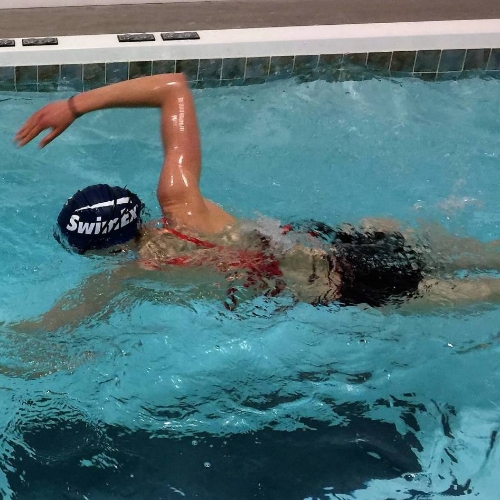
Aquatic therapy is a type of physical therapy treatment that takes place in water, generally in an in-clinic pool. It is also commonly known as hydrotherapy or aquatic rehabilitation and has soothing properties that can benefit you if you are seeking pain relief and relaxation.
Our innovative care strategies at First Choice Physical Therapy in Spring Creek, Carlin, Elko, NV and Elko Spine and Rehabilitation will help you find quick relief. To learn more about how our licensed physical therapists can assist you with aquatic therapy treatments, contact First Choice Physical Therapy today!
How does aquatic therapy work?
Aquatic therapy sessions are very organized and typically begin with a warm-up. They all take place in the water and will likely begin with gentle, low-resistance exercises to target the lower and upper extremities. This may include brief walking and light stretches. Then they will turn to more advanced cardiovascular and core activities, such as running, squatting, arm swings, and leg swings.
After your session, you will also have some cool-down methods. In many clinics, there will be a massage hose that provides a deep tissue massage-like experience. This prevents lactic acid from building up.
Aquatic therapy is a specialized form of physical therapy that we are happy to offer at First Choice Physical Therapy. Our dedicated physical therapists recognize the positive effect of using water treatments to improve motion and functionality while simultaneously allowing your muscles to relax.
What can I gain from aquatic therapy?
Water’s natural properties set the stage for a very therapeutic environment. Did you know that aquatic therapy is a method of relief that has been practiced for hundreds of years by many cultures?
The ancient Romans and Greeks bathed in hot springs for relaxation and to improve circulation. Hippocrates believed hot springs could heal sickness. Swiss monks were well known to use thermal waters to treat sick people. The Japanese use hot springs to treat skin problems and relieve chronic pain.
The benefits of aquatic therapy include:
- Building muscle strength and endurance
- Reducing stress and promoting relaxation
- Enhancing the healing process to decrease recovery time
- Increasing aerobic capacity for better health
- Improving coordination and balance
- Improving flexibility and movement
- Assisting with locomotion and gait
Aquatic therapy may be added to your current physical therapy treatment plan under the discretion of our physical therapist. He or she will assist you in the movements that will best help you find relief.
So, why should I choose aquatic therapy?
Aquatic therapy at First Choice Physical Therapy is able to provide the following:
Relief
It can help provide relief for many conditions, including arthritis, chronic pain, lower back pain, orthopaedic injuries, sprains, strains, and tendonitis.
Improved Breathing
The respiratory muscles are forced to work harder during aquatic therapy, which helps you breathe better.
Relaxation
It provides a soothing and relaxing environment for aching muscles and joints.
Buoyancy
Water has a natural buoyancy for flotation and reduces gravity on aching muscles and joints. There is less pain when you exercise in water.
Hydrostatic pressure
With its hydrostatic pressure, you’re supported and don’t have to fear falling while performing exercises.
Resistance
Its natural resistance can be used to increase the rehabilitation process and strengthen muscles.
Wave propagation/turbulence
Wave propagation and turbulence allow your physical therapist to gently manipulate your body.
Exercise of the Month
Figure 4 Bridge
(Glutes, Hips)
Begin on your back. Bend your knees and keep your back flat on the ground. Cross one leg over the other so that your legs make a “4”. Gently, contract your abdominals and hold to keep your back flat as you move up into the bridge position. Remember to breathe. Gently, squeeze your butt muscles and lift your hips off the ground. The goal is to have your hips aligned with your knees and shoulders. 3 Sets, 10 Reps.

Citrus Shrimp Avocado Salad
This simple but totally flavorful shrimp avocado salad combines pan-seared citrus shrimp, creamy avocado, and the crunch of sliced almonds. It’s the perfect high-protein lunch or dinner salad that’s great for meal prep, too.
Ingredients:
- 1 pound medium Pan-Seared Citrus Shrimp
- 8 cups greens, (such as arugula, spinach, lettuce, or spring mix)
- Extra virgin olive oil
- Juice of ½ lemon or ½ orange
- 1 avocado, sliced or diced
- 1 shallot, minced
- 4 ounces sliced almonds, toasted
- Kosher salt and freshly ground black pepper
Instructions:
- Pan-sear the shrimp. Or, gently warm the leftover shrimp. You can also serve the shrimp chilled.
- Assemble the salad. Toss the shrimp with the salad greens in a large bowl. Lightly drizzle with olive oil, and if desired, some of the sauce remaining from the shrimp with a generous squeeze of citrus, and toss lightly to coat. Add the avocado, shallots and sliced almonds and then season with kosher salt and freshly ground black pepper and serve.