


How to Find Relief for Foot Pain with Physical Therapy This Summer
Get Rid of Your Foot Pain for an Active and Fun Summer!
Have you ever experienced that sharp, stabbing pain in your foot that makes every step feel like a challenge? Or perhaps a dull, persistent ache that just won’t go away? Foot pain is a common complaint that can significantly impact your quality of life by limiting your ability to work, exercise, and even enjoy simple activities like walking or standing. Physical therapy offers effective, non-invasive solutions to alleviate foot pain, improve function, and get you back on your feet this summer.
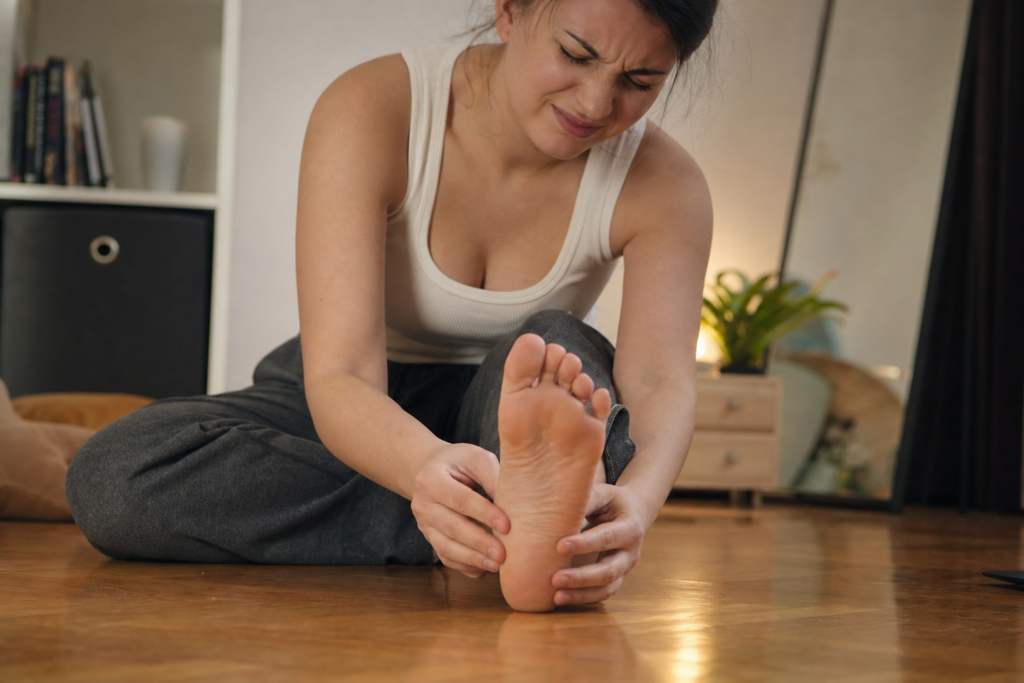
Common Causes of Foot Pain
Understanding the root cause of your foot pain is an important part of finding effective treatment. Let’s explore five of the most common foot pain conditions.
Plantar Fasciitis
This condition involves degeneration of the plantar fascia, a thick band of tissue that runs along the bottom of your foot. It often causes heel pain, particularly in the morning or after periods of rest. Risk factors include obesity, high-arched feet, and activities that put excessive stress on the feet.
Metatarsalgia
This refers to pain in the ball of your foot, often caused by overuse, high-impact activities, or wearing ill-fitting shoes. Symptoms may include sharp or burning pain, numbness, or tingling in the toes.
Achilles Tendinitis
This condition involves inflammation of the Achilles tendon, which connects the calf muscles to the heel bone. It often causes pain and stiffness in the back of the ankle, especially during or after activity.
Foot Sprains
These injuries occur when the ligaments that support your foot joints are stretched or torn, typically due to a sudden twisting or rolling motion. Symptoms may include pain, swelling, bruising, and instability.
Arthritis
This degenerative joint disease can affect any joint in your foot, causing pain, stiffness, and limited range of motion. Risk factors include age, previous injuries, and family history.
Running To Foot Pain Relief
A woman in her 40s came to our clinic complaining of persistent heel pain that had been bothering her for several months. The pain was particularly intense in the morning, making it difficult for her to even get out of bed. After a thorough evaluation, our physical therapist diagnosed her with plantar fasciitis.
Her active lifestyle and love for running had put excessive stress on her feet, leading to plantar fasciitis. The pain had significantly impacted her life, forcing her to give up running and other activities she enjoyed.
We created a treatment plan that included a combination of pain management techniques, strengthening exercises, and a gradual return to activity.
Pain Management
Initially, we focused on reducing her pain and restoring mobility in the foot and calf through manual therapy techniques, proper recovery routines, and mobility exercises.
Strengthening Exercises
As her pain subsided, we introduced exercises to strengthen the muscles in her feet and calves for proper support and to reduce stress on the plantar fascia.
Return to Activity
We gradually reintroduced her running routine, starting with shorter distances and lower intensity. We also educated her on proper footwear, warm-up and cool-down routines, and injury prevention strategies.
Over the course of several weeks, she experienced significant improvement in her pain and function. Best of all, she was able to resume her running routine and other activities she enjoyed with minimal discomfort.
Find Foot Pain Relief At First Choice Physical Therapy
If you are struggling with foot pain, don’t let it hold you back any longer. Our experienced physical therapists will conduct a thorough evaluation to identify the root cause of your pain and develop a personalized treatment plan to address your specific needs and goals.
Call our clinic today to schedule an appointment and take the first step toward recovery.
“I had an excellent experience with First Choice Physical Therapy while visiting my daughter in Nevada after having foot surgery in New Jersey. The team was incredibly professional, kind, and accommodating—they even fit me in quickly as an out-of-state patient. Their expert care and positive atmosphere helped me begin my recovery with confidence. I’m now continuing therapy back home in New Jersey, proudly representing F.C.P.T. in my t-shirt at every session! I highly recommend F.C.P.T. to anyone looking for compassionate and skilled physical therapy.”
– Google 5-Star Review

Foot Pain Prevention: Tips for Staying Active and Injury-Free This Summer
Summer is a season of energy and adventure, inviting us outdoors to enjoy longer days, warmer weather, and all the activities that come with the sunshine. But for those prone to foot pain, the increased activity can also bring the risk of discomfort and injury. Fear not! With a few proactive measures, you can keep your feet happy and healthy while embracing all that summer has to offer.
Warm-up
Never underestimate the power of a good warm-up. Before engaging in any physical activity, dedicate a few minutes to proper warm-up exercises that target your feet, ankles, and calves. This will improve blood flow and prepare your muscles and joints for the demands ahead.
Choose the Right Footwear
Your shoes are your feet’s first line of defense against impact and strain. Invest in supportive, well-fitting footwear that matches your activity and foot type. Whether you’re hitting the trails, pounding the pavement, or simply strolling through the park, the right shoes can make all the difference in preventing pain and injury.
Listen to Your Body
Pay attention to any signs of discomfort or fatigue in your feet. If you experience pain during or after an activity, don’t ignore it. Pushing through pain can exacerbate existing injuries or lead to new ones.
Modify Activities
Don’t be afraid to adjust your activities based on your fitness level and any existing foot conditions. If you’re new to exercise, start slowly and gradually increase your intensity and duration.
Strengthen Your Feet
Strong feet are less prone to injury. Incorporate foot-strengthening exercises into your routine to improve your foot mechanics, enhance stability, and reduce the risk of pain.
By following these simple tips, you can protect your feet, prevent injuries, and enjoy the summer season. If you experience persistent foot pain or have concerns about your foot health, contact us today for a personalized evaluation and PT program to reduce your pain and get you back on your feet.
Let’s get started!
Can Therapeutic Exercise Help Relieve My Pain?
It is a common misconception that one should constantly rest when one is in pain. However, this can actually cause your muscles to weaken during the healing process, which can lead to decreased functionality and more pain in the long run.
Our Spring Creek, Carlin, Elko, NV and Elko Spine and Rehabilitation physical therapists are movement experts, trained in improving strength, range of motion, and overall function of the body. Our physical therapist will design an individualized treatment plan for you equipped with the therapeutic exercises you need to alleviate your pain, strengthen the weak areas of your body, promote the healing process, and restore function.
At First Choice Physical Therapy, our goal is to help you live a pain-free life with even greater strength and endurance than you had before.
Meet Our Newest Team Member!


Trevor Woodhouse
Physical Therapist
I graduated from Brigham Young University with a Bachelor’s degree in Exercise Science and later earned my Doctorate in Physical Therapy from Idaho State University.
Throughout my education and clinical training, I gained experience in sports and athletic rehabilitation, neurological rehabilitation, and post-operative care. I have worked in a variety of settings, including hospitals, skilled nursing facilities, and outpatient clinics. I chose physical therapy because it allows me to combine two things I enjoy most: helping people and staying active. Being able to build relationships with patients while helping them improve their quality of life is incredibly rewarding.
Outside of work, I enjoy camping, playing sports, and spending time outdoors. While attending Idaho State University, I was recruited to play rugby for the university team. I have been playing rugby since I was 13 years old and continue to enjoy the sport today.
I am new to the community and have enjoyed meeting so many wonderful people and hearing their stories.
My wife and I have three young boys who keep us busy, and we love spending time together as a family.
Shockwave Therapy
Shockwave therapy is a multidisciplinary device used in orthopedics, physical therapy, and sports medicine that provides fast pain relief and restores mobility. It is an ideal therapy to speed up recovery and cure various indications causing acute or chronic pain. Our innovative care strategies at First Choice Physical Therapy in Spring Creek, Carlin, Elko, NV and Elko Spine and Rehabilitation will help you find quick relief. Contact First Choice Physical Therapy today to find out more about our shockwave therapy and how we can aid you in your recovery process.
How does shockwave therapy work?
Acoustic waves with high energy peaks used in Shockwave therapy interact with tissue causing accelerated tissue repair and cell growth, analgesia and mobility restoration.
New Blood Vessel Formation
Nutrient blood flow is necessary to start and maintain the repair processes of damaged tissue. The application of acoustic waves creates capillary micro ruptures in the tendon and bone.
Reversal of Chronic Inflammation
Mast cells are one of the key components of the inflammatory process. Their activity may be increased by using pervasive acoustic waves.
Stimulation of Collagen Production
The production of a sufficient amount of collagen is a necessary precondition for the repair processes of the damaged myoskeletal and ligamentous structures. Shockwave therapy accelerates procollagen synthesis.
Dissolution of Calcified Fibroblasts
Calcium build-up is most often the result of micro-tears or other trauma to a tendon. Acoustic waves break up the existing calcifications.
Dispersion of Pain Mediator “Substance P”
Substance P is a neurotransmitter that mediates pain information through the C-fibers. This neuropeptide is generally associated with intense, persistent and chronic pain.
Release of Trigger Points
Trigger points are the principal cause of pain in the back, neck, shoulder and limbs. Delivered acoustic energy unblocks the calcium pump and thus reverses the metabolic crisis in the myofilaments and releases the trigger points.
What Conditions Can Be Treated?
Shockwave Therapy can be used to treat a wide variety of musculoskeletal conditions, in particular, those involving areas where major connective tissue attaches to the bone. Common sites that can be successfully treated are:
Jumper’s Knee
Jumper’s knee is an inflammation or injury of the patellar tendon felt as pain, tenderness and functional deficit. This condition may interfere with or even end your sporting career regardless of age and is difficult to treat.
The pain of the shoulder can be caused by e.g. calcifications, impingement syndrome or frozen shoulder and feel like a dull to severe pain and limit your daily life.
Tennis Elbow
Tennis elbow is a frequent condition occurring in up to 10% of the general population. Unfortunately, the conservative treatment of epicondylitis is lengthy (rest), includes medication (pain killers, steroid injections) and often needs repetition. Shockwave therapy on the other hand offers rather prompt pain relief and cure with the efficiency of over 70% in just a maximum of 5 treatments.
Heel Spur
Calcium deposit on the underside of the heel bone (heel spur) is closely associated with scarring or inflammation of the plantar fascia (plantar fasciitis). Either of the indications or combined can limit your daily activities.
Insertional Pain
Pain in the muscle insertions typically occurs due to repetitive or prolonged activities placing strain on a particular tendon.
Chronic Tendinopathy
Cumulated microtraumas from repetitive overloading can result in chronic tendinopathy (tendinitis or tendinosis). Tendinopathies at various areas of the body are a widespread diagnosis of both the active persons and the general population.
Medial Tibial Stress Syndrome
Medial tibial stress syndrome typically occurs due to activities placing large amounts of stress through the tibialis anterior muscle. These activities may include fast walking or running (especially up or downhill or on hard or uneven surfaces) or sporting activity (such as kicking sports). You are usually restricted from such activities for prolonged periods of time.
Calcifications
Calcifying tendinitis is a chronic pain disorder that is characterized by calcifications in rotator cuff tendons. Such a condition causes pain and range of motion limitations.
Hip Pain
With age and use, the cartilage can wear down or become damaged. Muscles and tendons in the hip can get overused. The hip bone itself can be fractured during a fall or other injury. Any of these conditions can lead to pain and damage in the hip area.
Exercise of the Month
Piriformis Stretch
(Glutes, Sciatic Nerve)
Start by sitting up straight with your knees bent and feet flat. Bend your leg and place your ankle across the top of your other knee. Rotate your trunk toward your bent knee and gently pull your knee toward your chest until you feel a stretch in your hip. Hold for 30 seconds. 2 Sets, 1 Rep. (Materials needed: chair)

Healthy Recipe: Creamy Spinach Pasta with Ricotta & Lemon
A quick, comforting, and inspiring vegetarian dinner that comes together in about 30 minutes.
Featuring tender pasta tossed in a vibrant, creamy green sauce made by blending wilted spinach, sautéed shallots, and garlic with heavy cream, fresh basil, parmesan, and a bright splash of lemon juice and zest. The dish is served elegantly in bowls topped with a rich dollop of fresh ricotta cheese, extra parmesan, and freshly cracked black pepper.
Ingredients:
- 3 cups dry pasta, such as casarecce
- 4 tablespoons extra-virgin olive oil
- 1 medium shallot, chopped
- 3 garlic cloves, chopped
- 5 packed cups baby spinach
- ½ teaspoon sea salt, plus more to taste
- ½ cup loosely packed fresh basil leaves
- ½ cup heavy cream
- 1 teaspoon lemon zest
- 1 tablespoon fresh lemon juice
- ½ cup freshly grated Parmesan cheese, plus more for serving
- ¾ cup ricotta cheese, for serving
- Freshly cracked black pepper, for serving
Instructions:
- Bring a large pot of salted water to a boil over high heat. Add the pasta and cook, according to directions, to al dente. Reserve ½ cup of the liquid and drain the pasta.
- Meanwhile, heat 2 tablespoons of olive oil in a second large pot over medium heat. Once the oil is glistening, add the shallot and cook, stirring occasionally, until softened, about 4 minutes. Add the garlic and cook, stirring until fragrant, about another minute. Add the spinach and salt and cook, stirring, until wilted, about 5 minutes more.
- Transfer the spinach mixture to the base of a blender. Add the basil, heavy cream, remaining 2 tablespoons olive oil, lemon zest, lemon juice, and parmesan. Blend until smooth, about 2 minutes. Season with salt to taste.
- Return the sauce to the pot and bring to a simmer over medium heat. Stir in the cooked pasta along with the reserved cooking liquid, 2 tablespoons at a time, until the sauce coats the pasta.
- Divide the pasta among 4 bowls. Top with a dollop of ricotta, parmesan, and black pepper.