
Why Pre and Post Op Physical Therapy?
Set yourself up for success with both pre and post-operative physical therapy.
If you’re facing surgery, you might have a mix of emotions – anticipation, a bit of worry, and a strong desire to get back to your normal life as quickly as possible. Physical therapy can make a big difference in that journey, both before and after your surgery. Studies show that pre-operative exercises and strengthening programs can be effective in reducing complications and length of hospital stay in post-operative situations.
At First Choice Physical Therapy, we can help you prepare your body for the challenges of surgery and guide you through the best possible recovery. Our experienced PTs will arm you with strength, knowledge, and preparation to help you before and after your procedure.
Help prepare yourself for a successful surgical outcome with pre and post-operative physical therapy.

Why Both Pre and Post-surgery Physical Therapy?
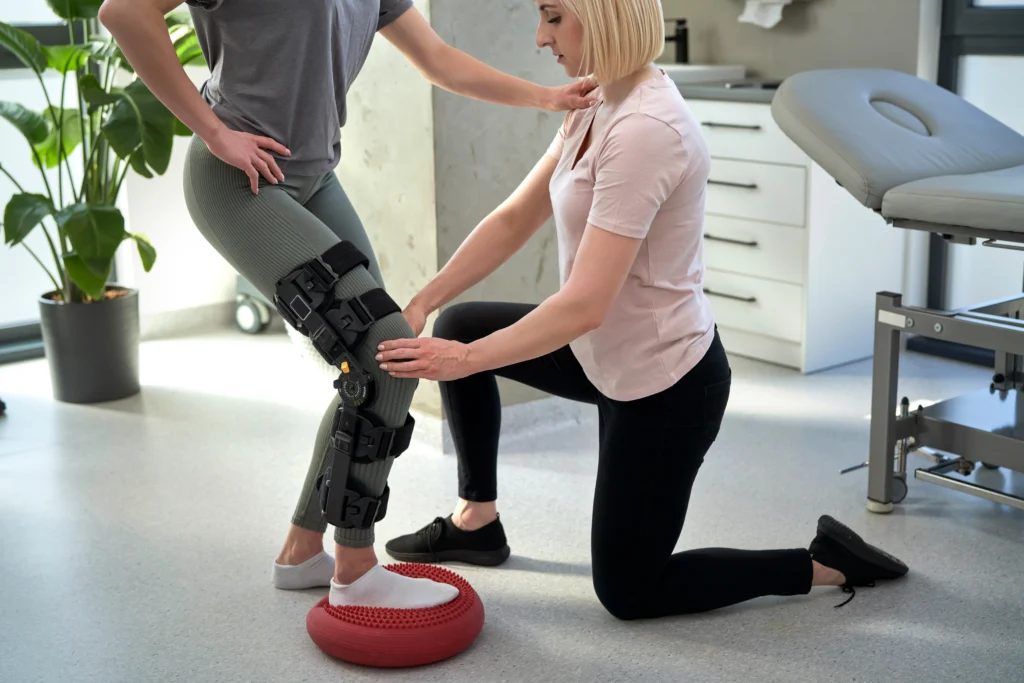
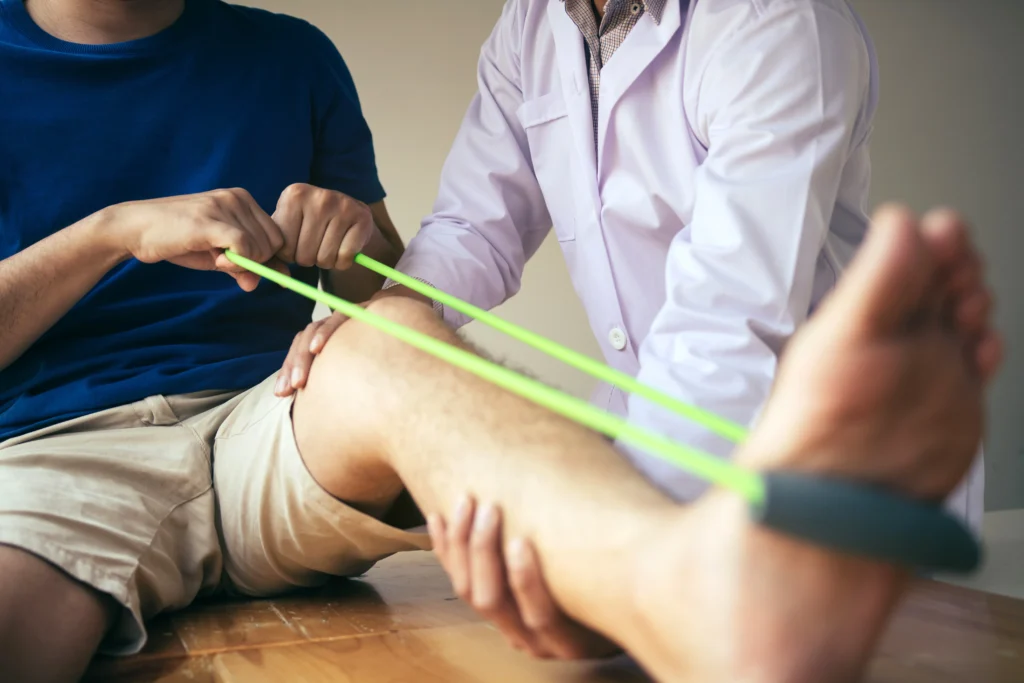
Physical therapy plays a crucial role in achieving your surgical and recovery goals, both before and after your procedure. Pre-surgery PT focuses on improving your strength, range of motion, and overall fitness to prepare your body for the surgical process. Afterward, physical therapy guides your rehabilitation process by:
- Reducing pain
- Restoring motion
- Eliminating swelling
- Rebuilding strength
- Helping you regain functional independence
Pre-Surgical Physical Therapy
Pre-surgical physical therapy, sometimes referred to as “Prehab,” aims to optimize your physical condition before surgery for a smooth recovery and successful outcome.
- Improved Strength and Range of Motion: Strengthen the muscles and maximize your range of motion in and around the surgical area.
- Reduced Pain and Inflammation: Manage existing discomfort and reduce or eliminate inflammation to support successful post-operative healing.
- Education and Preparation: Learn what to expect from the post-operative experience, like physical therapy exercises, how to use assistive devices, and adjustments you can make beforehand to safely navigate your home environment.
Patients who undergo pre-surgical education and physical therapy programs often experience lower levels of anxiety compared to those who don’t prepare in this way. By understanding what lies ahead and feeling equipped with knowledge and strength, patients often feel more empowered and can improve emotional well-being throughout the process.
Post-Operative Physical Therapy
Post-surgery physical therapy is an important part of the recovery process. Our PTs will help you regain your normal movement patterns, rebuild strength, and restore overall function. Our goal is to support your body’s natural healing process by using the following:
- Pain Management: Our PTs use techniques like manual therapy and modalities to reduce post-operative pain, swelling, and stiffness.
- Reduce Swelling and Scar Tissue Management: We will use targeted hands-on treatments, including joint mobilizations with targeted exercises to help reduce swelling, minimize scar tissue formation, and restore range of motion to avoid limitations in overall movement.
- Improved Strength: Progressive strengthening exercise programs restore stability and normal function and prevent complications.
- Functional Training: Retrain your normal movement patterns and improve your coordination and body awareness to facilitate a successful return to independence.
Exercise of the Month
One Leg Balance
(Ankles, Core, Balance)
With your hands on the back of a chair, countertop, or wall, slowly lift your uninjured leg upward behind you so that your weight lies on the leg with the injured ankle. Hold this position for 20 to 30 seconds and gradually progress to more seconds as you get stronger. 2 Sets, 1 Rep. (Materials needed: chair)
Pre and Post-op Physical Therapy with First Choice Physical Therapy
Our physical therapists design every pre and post-op program based on individual needs and goals. At your first appointment, we’ll conduct a thorough assessment of your medical history and existing condition to understand the details of your upcoming surgery. Then, we’ll discuss your questions and concerns and set achievable goals for success.
If you or a loved one is considering surgery or have scheduled an upcoming procedure, give us a call today. We’ll schedule your first appointment and discuss how our pre and post-op physical therapy program can help you.
Physical Therapy Tip of the Month: November 🍂
Innovative Approaches to Physical Wellness this Thanksgiving Season
Thanksgiving is more than just a day of feasting; it’s a time to come together and celebrate what we’re thankful for. While traditional advice often emphasizes the basics, let’s elevate your approach to physical well-being this season with these cutting-edge tips:
- Dynamic Warm-Up Before the Turkey Trot: If you’re planning a Thanksgiving morning run or family games, forget old-school stretching. Use a dynamic warm-up to prep your muscles and boost your range of motion.
- Text Neck Prevention: As we catch up on social media or text friends and family Thanksgiving wishes, “text neck” can be a real issue. Counteract this by sitting tall or not at all and doing neck stretches every hour.
- Mindfulness Through Movement: Instead of sitting to meditate or relax, try combining mindfulness with gentle movements like Tai Chi or a light stroll through the neighborhood.
Embrace your health by prioritizing your physical and mental well-being to ensure you have the best Thanksgiving yet!

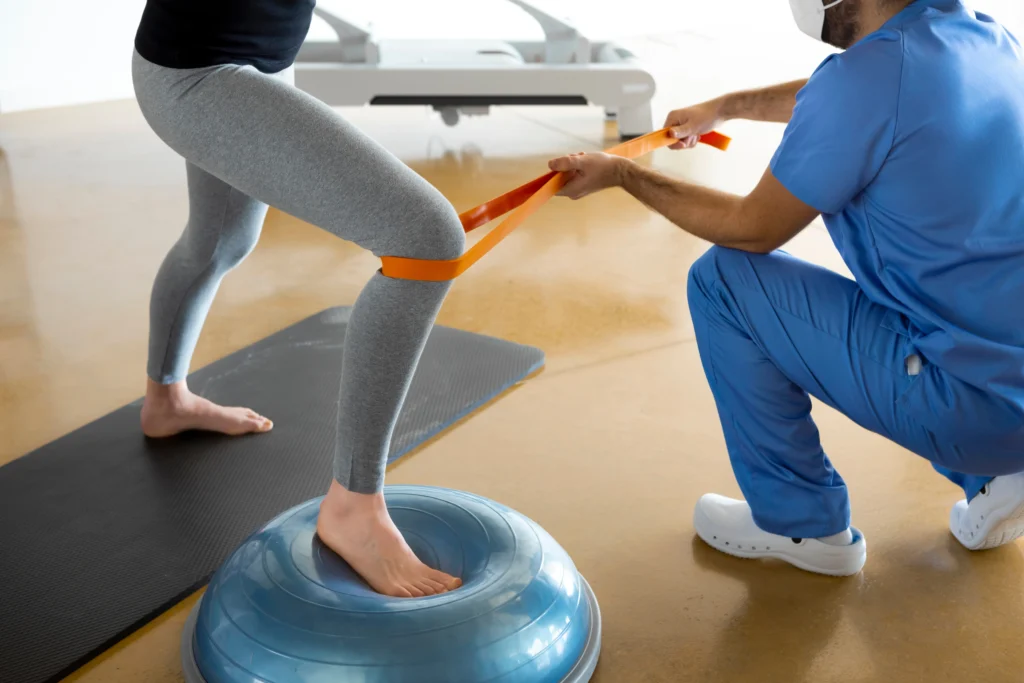
Pain Management Through Physical Therapy Techniques
After surgery, pain is often an unavoidable part of the healing and recovery process. Fortunately, physical therapy offers essential tools to help you find relief and promote recovery without long-term reliance on medication.
Our physical therapists are experts in identifying the root cause of your pain and will develop a personalized treatment plan to alleviate it.
Some techniques that our physical therapists use to address post-surgical pain include:
- Manual Therapy: Hands-on techniques to reduce pain and swelling, mobilize joints and soft tissue, and ensure circulation and lymph drainage to facilitate healing and overall recovery.
- Targeted Exercises: Guided movements to improve joint range of motion, enhance soft tissue mobility, and restore function.
- Strengthening Muscles: Progressive exercises to strengthen muscles and support the surrounding joints for short and long-term relief.
Our physical therapists will also empower you to manage your pain with exercises and self-care techniques you can use in between sessions. As you become stronger and more mobile, your reliance on pain medication can naturally decrease to promote a sustainable healing and recovery process.
Sources: https://www.physio-pedia.com/Exercise_and_Activity_in_Pain_Management

Simple Sweet Potato & Black Bean Chili
- 2 sweet potatoes, peeled & chopped
- 1 onion, chopped
- 2 cans black beans, drained & rinsed
- 1 can diced tomatoes
- 2 cups broth (vegetable or chicken)
- 1 tbsp chili powder
- 1 tsp cumin
- Salt & pepper
- In a big pot, cook onion in a little oil until soft.
- Add sweet potatoes, chili powder, cumin, salt & pepper. Stir.
- Add beans, tomatoes, and broth. Stir.
- Simmer until sweet potatoes are tender (about 20 min).
- Taste and season more if needed. Serve!